How Carrying Less Gear Strengthened My Landscape Photography
There is a quiet assumption in landscape photography that more equipment equals better preparation. The fuller the bag, the safer you feel. It creates a sense of control, as though every possible lighting change, focal length requirement, or unexpected moment has already been accounted for. For years, I operated under that belief. Only over time did I begin to question whether what I was carrying was actually improving my photography, or simply weighing it down. What follows is not an argument against owning good equipment. It is a closer look at the difference between being prepared and being overloaded, and how recognising that difference reshaped the way I work in the field.
The Illusion of Being “Prepared”
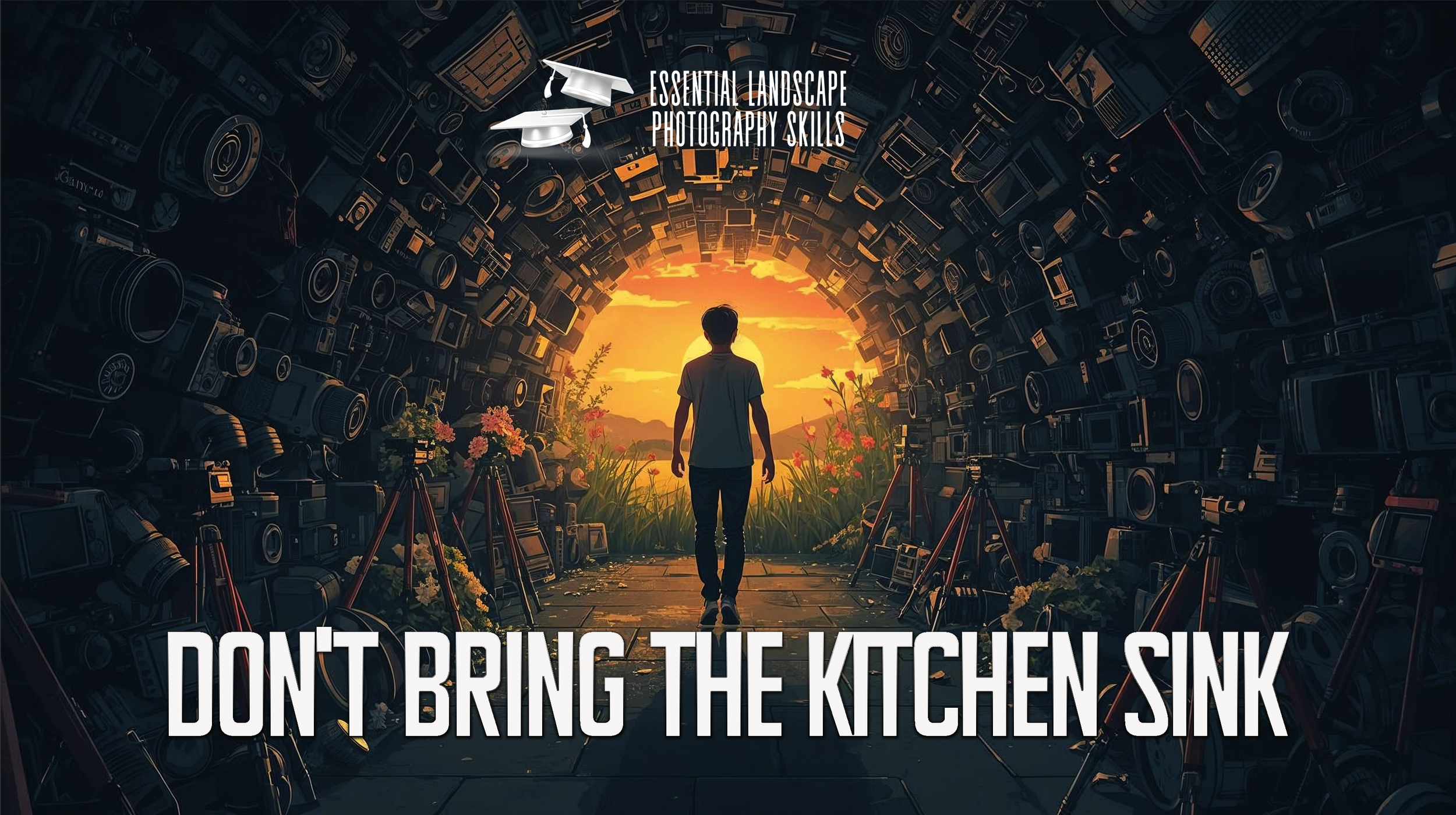
I used to believe that preparation meant possession. If there was even a slight chance I might need a piece of equipment, it went into the bag. I carried multiple lenses covering every focal length, full filter systems, backup accessories, and spare components for those backups.
I told myself I was being thorough.
The shift happened after one particular trip. When I returned home, I emptied my bag and laid everything on the floor. Then I separated it into two groups: what I used and what I didn’t.
The unused pile was larger than I expected.
That exercise exposed a disconnect between what I thought I needed and what I actually used. I wasn’t packing for intention. I was packing to avoid regret.
That realisation changed my approach entirely.
The Hidden Cost of a Heavy Bag
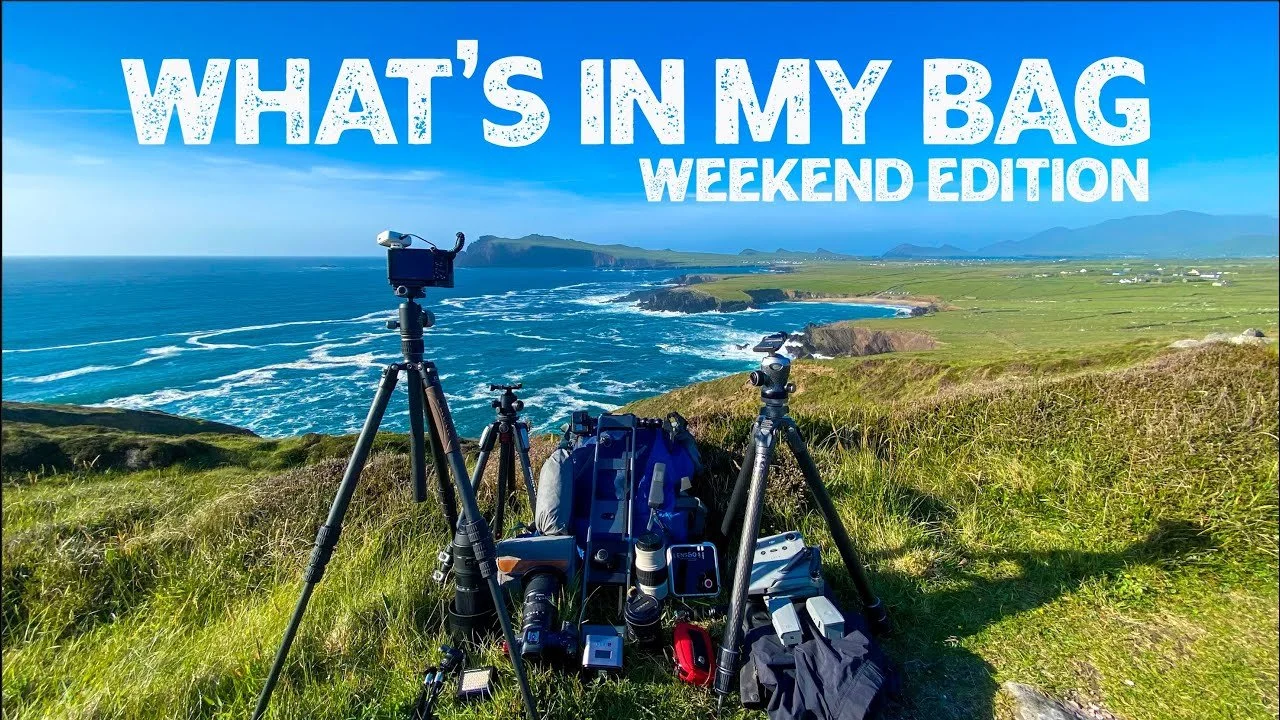
Landscape photography demands movement. You rarely find the strongest composition by standing exactly where you first stop. It requires walking further, climbing slightly higher, lowering your viewpoint, or adjusting your angle.
A heavy bag reduces that willingness.
When weight increases, effort decreases. You are less inclined to explore that extra hundred metres. You are less willing to reposition repeatedly. Over time, small compromises accumulate and influence the final image.
Fatigue also narrows focus. When you are physically tired, you default to convenience rather than experimentation.
Reducing the weight I carried extended the time I could comfortably stay in the field. It allowed me to move more freely and adjust compositions without hesitation. That alone strengthened my work.
Your Feet Are Your Best Tripod
One of the most important changes in my workflow was prioritising movement over equipment changes.
Your feet are your best tripod.
Before I switch lenses, I now move. I adjust height. I step forward or backwards. I change my angle to the subject. Often, this solves compositional problems without touching the gear.
This shift reduced my dependence on carrying every focal length. Instead of relying on equipment to solve perspective issues, I began solving them physically.
Working this way strengthened my understanding of composition. It encouraged intention rather than reaction. It also simplified decision-making in the field.
GAS and FOMO
Two psychological factors played a major role in my earlier packing habits: Gear Acquisition Syndrome (GAS) and Fear of Missing Out (FOMO).
GAS creates the belief that the next piece of equipment will unlock creative potential. I experienced this repeatedly. Each purchase felt like progress. In practice, meaningful improvement came from time spent shooting and refining technique.
FOMO influenced what I packed. I convinced myself that if I didn’t bring everything, I would miss a rare opportunity. Wildlife might appear. The light might demand a different focal length. Conditions might change unpredictably.
But attempting to prepare for every possible scenario created decision fatigue. Too many options slow you down. They fragment attention. Landscape photography benefits from commitment, choosing an approach and working it thoroughly.
Accepting that you cannot capture every possibility removes unnecessary pressure.
What I Bring Now: And Why It Works
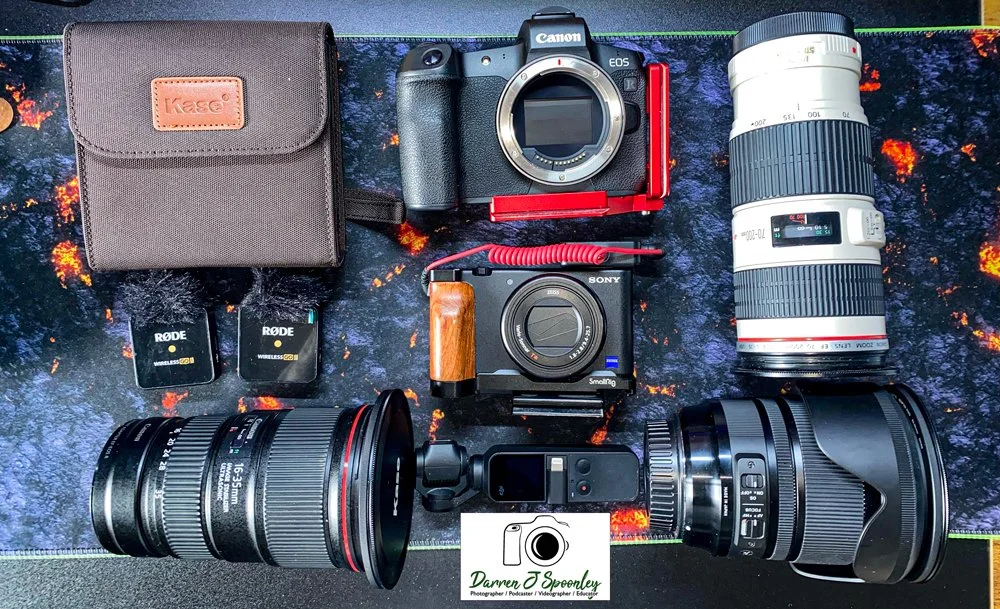
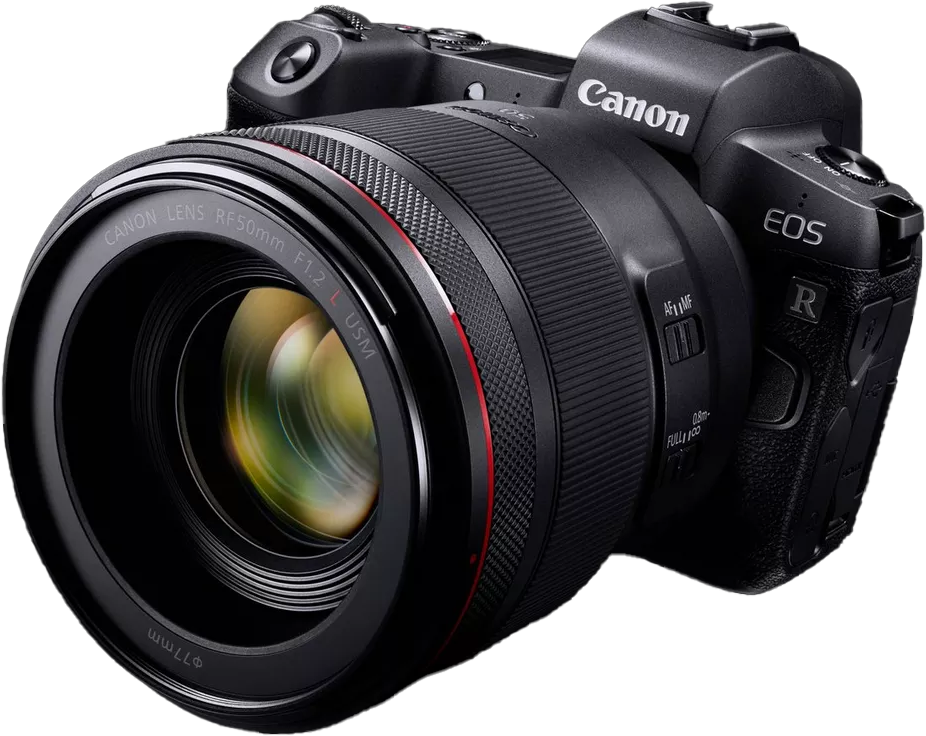
My kit today is deliberately simple.
One camera body.
One or two lenses suited to the location — typically 16–35mm and 70–200mm.
A tripod when required.
Three spare batteries.
A spare memory card.
One ND filter covering the range I need.
That setup covers the vast majority of situations I encounter.
The lighter weight allows me to stay out longer. It encourages more movement. It reduces hesitation. It simplifies decisions. The energy once spent managing equipment is now directed toward observing light and refining composition.
If you want to assess your own approach, start with a review. After your next trip, empty your bag. Separate what you used from what you didn’t. Look at the unused items objectively. Don’t justify them because they were expensive. Don’t keep carrying them out of habit.
Carrying less has not reduced my creative options.
It has strengthened them.
It has sharpened intention, reduced friction, and improved the work.
This is episode 4 of Volume 3 of My Essential Landscape Photography Skills series, you can watch the video version below