
Getting It Right in Camera

Getting it right in camera is a core discipline in landscape photography. It is not about eliminating post-processing, nor is it about technical perfection. It is about intent. The aim is to capture a file that already represents the photograph you had in mind, so that editing becomes a controlled refinement rather than an attempt to repair fundamental problems.
At a practical level, this approach protects image quality, reduces time spent editing, and accelerates skill development. At a deeper level, it encourages us to take responsibility for decisions at the moment the photograph is made.
The Reality of Digital Image Data
A digital photograph is limited by the information recorded at capture. Exposure, focus, colour, and composition determine how much usable data exists in the file. Once that data is missing or compromised, software cannot fully restore it.
For example, clipped highlights contain no recoverable detail. Shadow areas that are underexposed by several stops may appear acceptable on the camera screen, but lifting them later increases noise and reduces tonal separation. Heavy cropping reduces pixel count and limits print size and future flexibility.
These are not stylistic preferences. They are consequences of how digital sensors record light.
Understanding these limits shifts the role of editing from problem-solving to enhancement.
Intentional Capture Versus Deferred Decisions
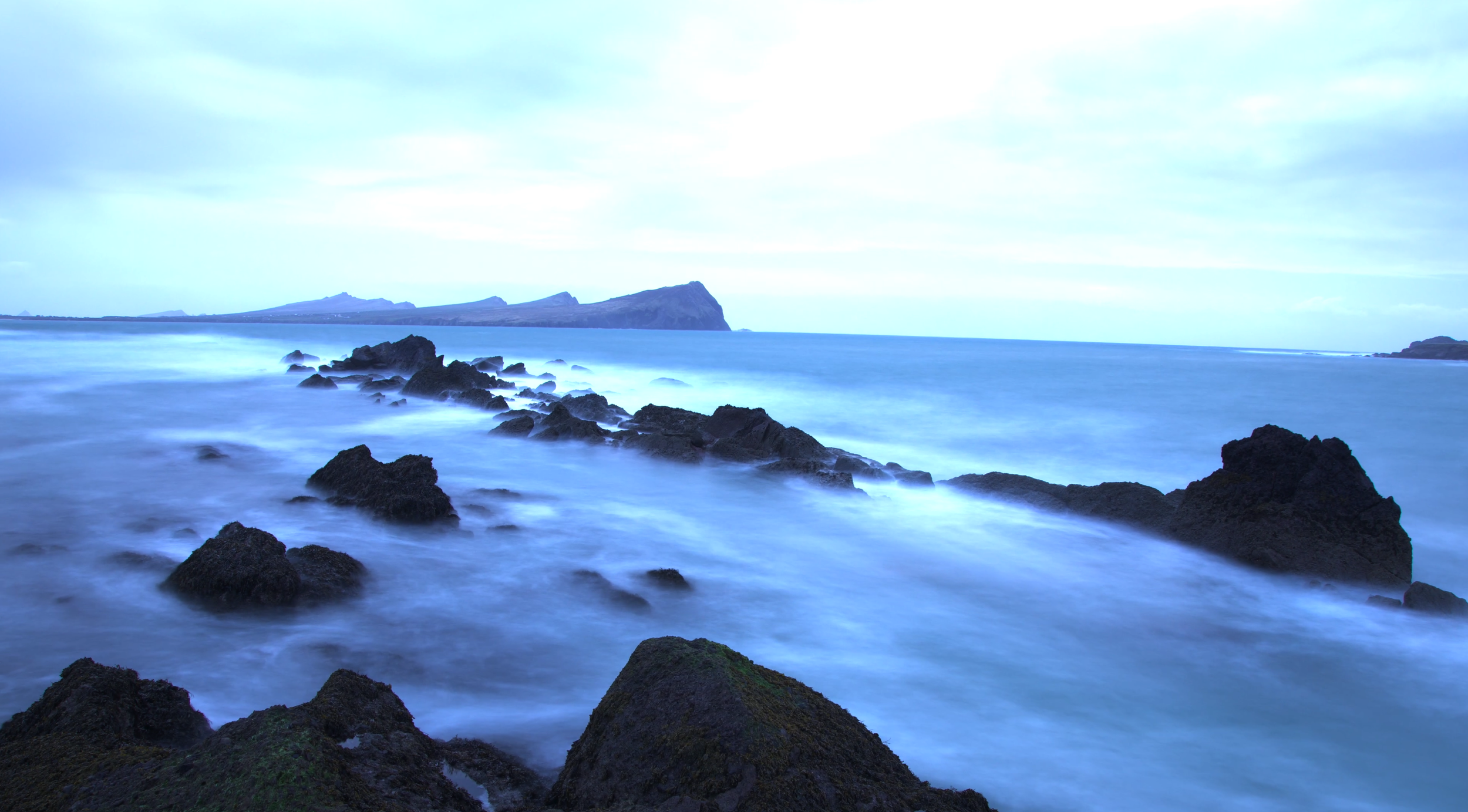
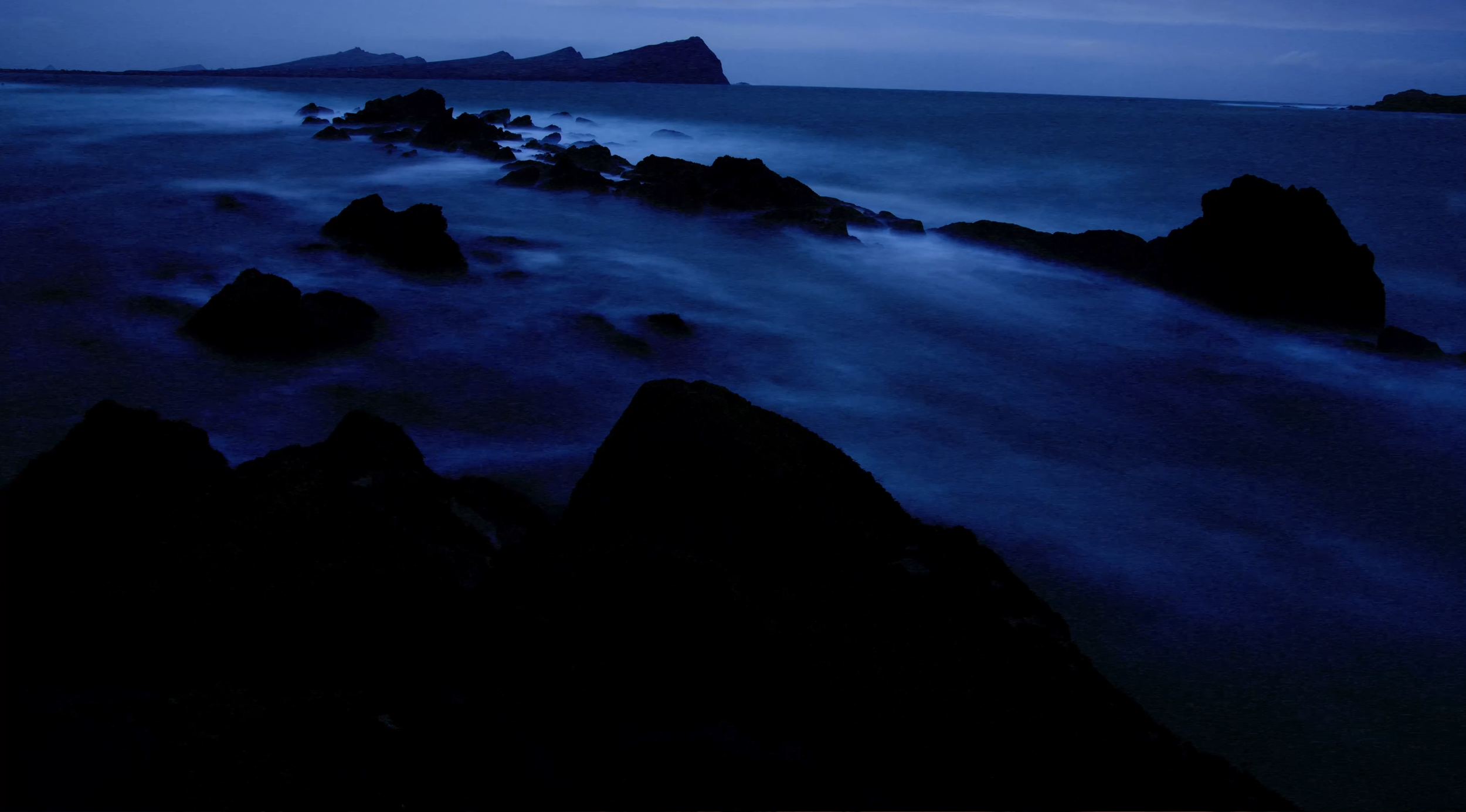
Modern workflows often encourage us to defer decisions. Shooting in RAW, using auto settings, and trusting that adjustments can be made later can feel efficient in the moment. However, this often leads to longer editing sessions and inconsistent results.
Intentional capture reverses this process. Instead of asking “How can I fix this later?”, the question becomes “What do I want this image to be?”
This change in mindset affects every stage of capture:
Exposure is chosen to protect what matters most in the scene.
Composition is framed deliberately, reducing reliance on cropping.
Colour temperature is selected to reflect the atmosphere, not corrected after the fact.
Focus is placed with purpose, not left to chance.
Each of these choices reduces uncertainty later in the workflow.
Exposure as a Foundation
Exposure is one of the most critical in-camera decisions. While RAW files allow some latitude, they are not immune to poor exposure choices.
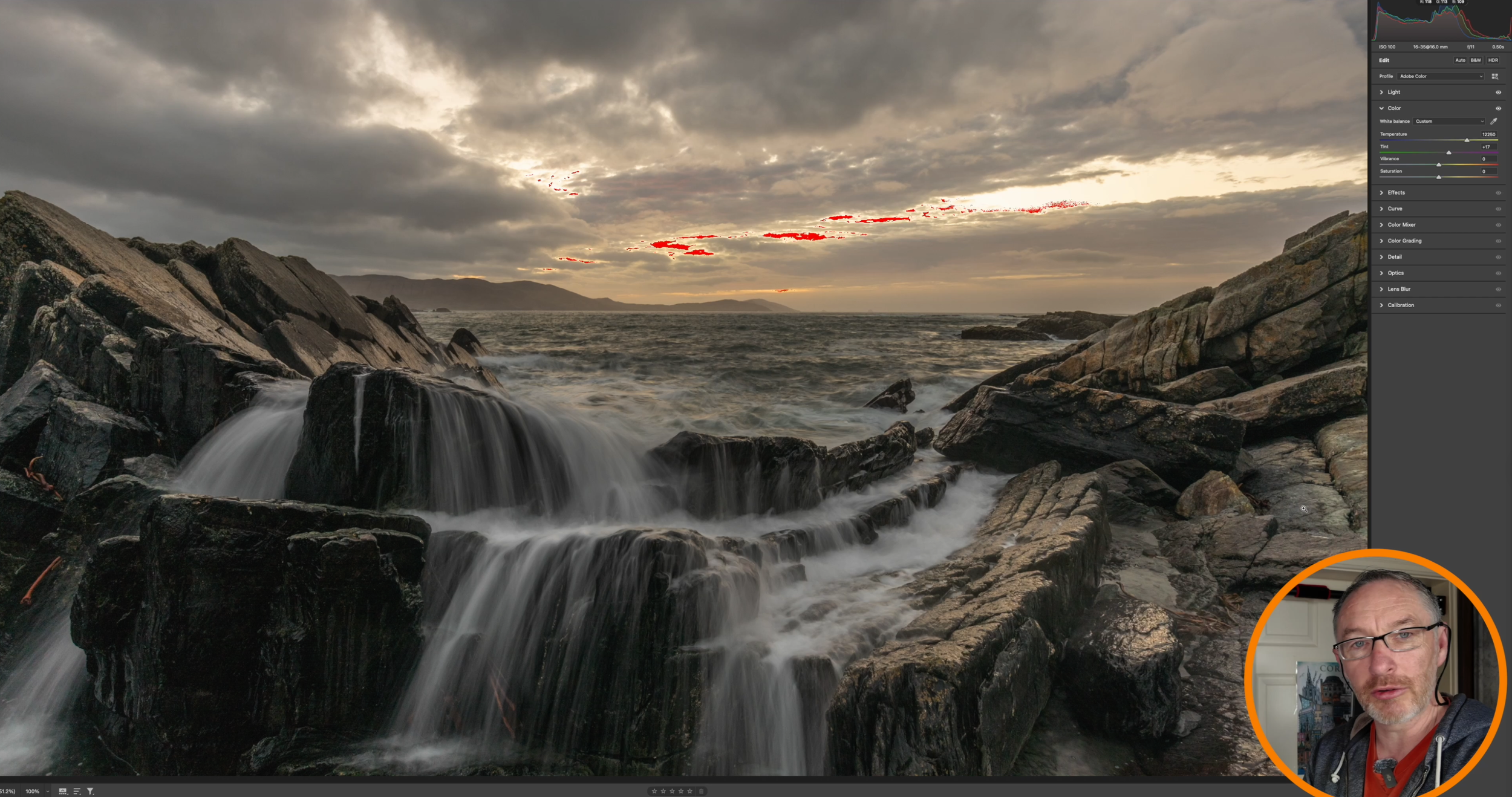
In landscape photography, it is often safer to prioritise highlight detail, particularly in skies and reflective surfaces. Once highlights are clipped, no amount of editing can restore texture or colour. Shadow detail, within reason, is more forgiving but can still suffer from noise.
Using tools such as the histogram provides objective feedback. A balanced histogram that avoids hard clipping at either end generally indicates a file with strong editing potential.
Learning to interpret this information in the field reduces reliance on trial-and-error shooting.
Composition and Resolution
Composition errors are among the most common issues photographers attempt to fix in post-processing. While cropping can improve framing, it always comes at the cost of resolution.
This loss may not matter for small online images, but it becomes significant when printing or revisiting older work. Images that were heavily cropped at capture age poorly compared to files that were framed intentionally.
Using compositional guides such as the grid overlay, encourages cleaner framing and faster decision-making. Over time, these visual structures become instinctive rather than mechanical. And, as I have mentioned in previous segments of this Essential Landscape Skills series, these tools are there for a reaosn, but shouldn’t become the fixed rule.
Focus and Depth Control
Focus errors cannot be repaired in editing. While sharpening tools can enhance edge contrast, they cannot restore detail that was never recorded.
In landscape photography, this often means being deliberate about depth of field. Choosing an appropriate aperture and focusing point ensures that important elements are rendered sharply. Reviewing focus at 100% magnification on location provides immediate confirmation and prevents unusable files later.
This practice builds technical confidence and reduces wasted frames.
Colour and White Balance Choices
Auto white balance is convenient, but it is inconsistent. It responds to dominant tones in the frame, which can shift colour from image to image, even within the same scene.
Setting white balance manually does not remove flexibility when shooting RAW, but it establishes a more accurate starting point. This preserves subtle colour relationships and reduces the need for large corrections later.
Subtle colour transitions, particularly at sunrise and sunset, are easier to maintain when the initial balance is close to correct. Now with all that being said, I do find myself shooting in auto white balance quite a lot, as I will generally adjust the colour in my edit.
Time Saved Is Not Just Editing Time
One of the less discussed benefits of getting it right in camera is cognitive efficiency. Clear decisions in the field lead to simpler decisions later. This is why I would consider myself a lazy editor, not to self-deprecate, but to ensure I am not sitting on the computer for extended periods of time trying to rescue that shot.
When your files are consistent, your editing becomes repeatable. Presets ( if you use them) work better. Batches process more cleanly. We spend less time evaluating what went wrong and more time refining what works.
Over months and years, this approach significantly reduced the overall workload and has helped me save time to spend on my joyous activities.
Learning Through Immediate Feedback
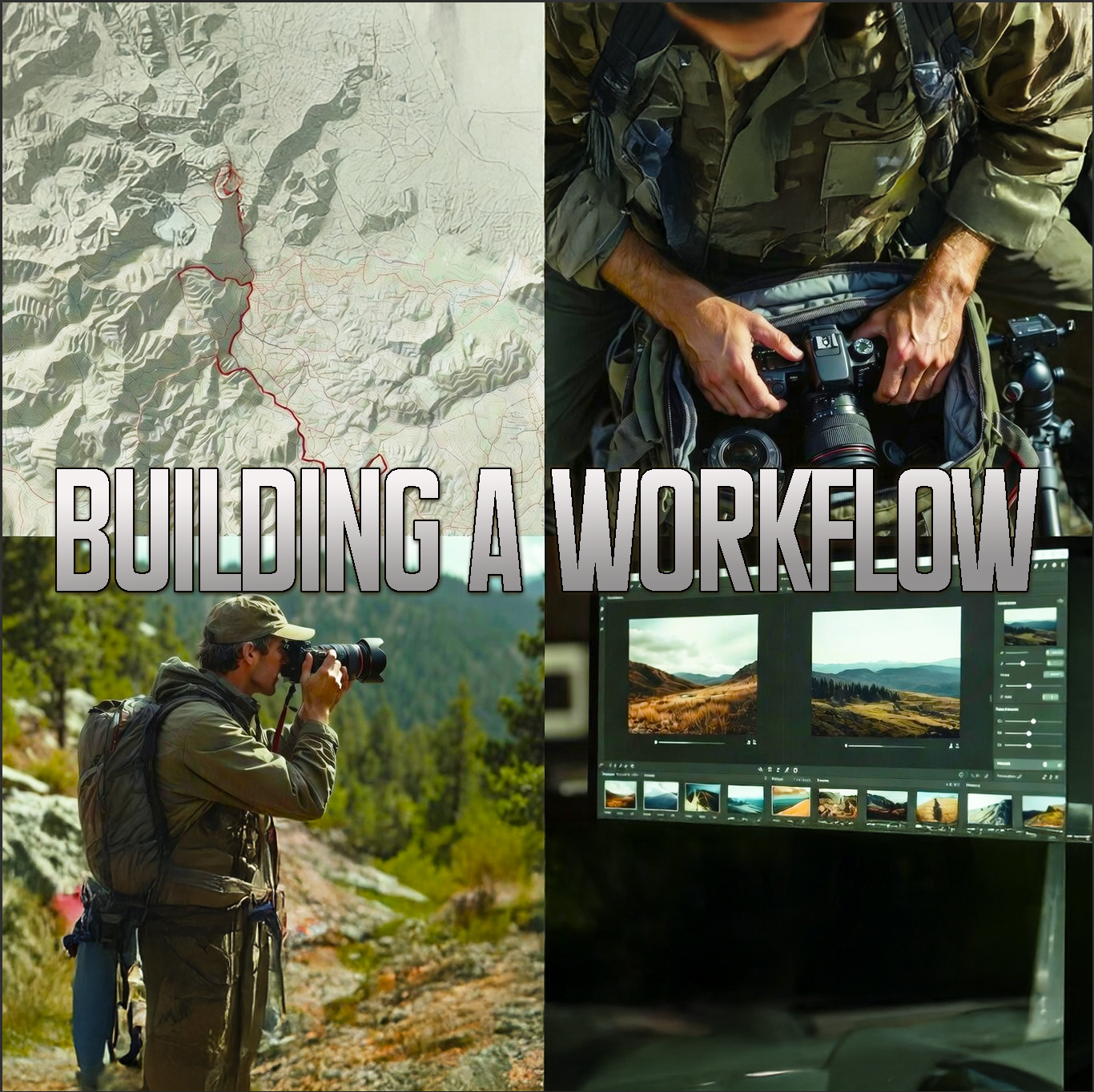
Skill development is accelerated when feedback is immediate. Reviewing images on location allows mistakes to be corrected while the conditions are still present. Remember, you might not be at this location again, nor will you have the same light and conditions again, so its best to get it right while there, rather than kick yourself later. Having a solid workflow really helps you on this mission.
Editing as a Final Stage
Editing still remains an essential part of the photographic process. However, its role changes when capture decisions are strong.
Instead of large exposure shifts, aggressive contrast, or heavy colour correction, editing becomes subtle and controlled. Adjustments support the original intent rather than redefine it.
Files captured with care are also more future-proof. They tolerate reinterpretation as tastes and styles evolve, whereas heavily corrected files often do not.
Summary
Getting it right in camera is not restrictive. It is efficient, deliberate, and sustainable. It preserves image quality, reduces editing time, and strengthens photographic judgement.
By making clear decisions about exposure, composition, focus, and colour at the moment of capture, photographers create files that serve both the present image and future possibilities.
The camera is not just a recording device. It is the first and most important stage of editing.
Watch the video in this series on this topic here