One Filter, Six Shutter Speeds: A Real Seascape Test
Over the years, seascape photography has become the area of my work where filters matter most. Waves never repeat themselves, and the way water moves across rocks changes entirely depending on shutter speed. That single variable can turn a scene from sharp and defined into something far more simplified, and understanding how to control it is one of the most important technical skills for coastal photography.
I have used many filter systems during that process. Some stood out for their build quality, others for clever features, but none have ever covered every need. My requirements are straightforward. I want to slow shutter speed without introducing colour casts. I want no vignetting, especially at wide focal lengths. Most importantly, I want a system that does not slow me down in the field or interfere with the result I am trying to achieve.
One recurring issue I have encountered in the past is the complexity of traditional filter holders. Attaching a holder to the front of a lens adds an extra step at exactly the moment when light and conditions are already changing. While that problem has largely been solved in recent years, another challenge remains: carrying multiple filters to achieve different exposure lengths. The more options you want, the more gear you tend to bring.
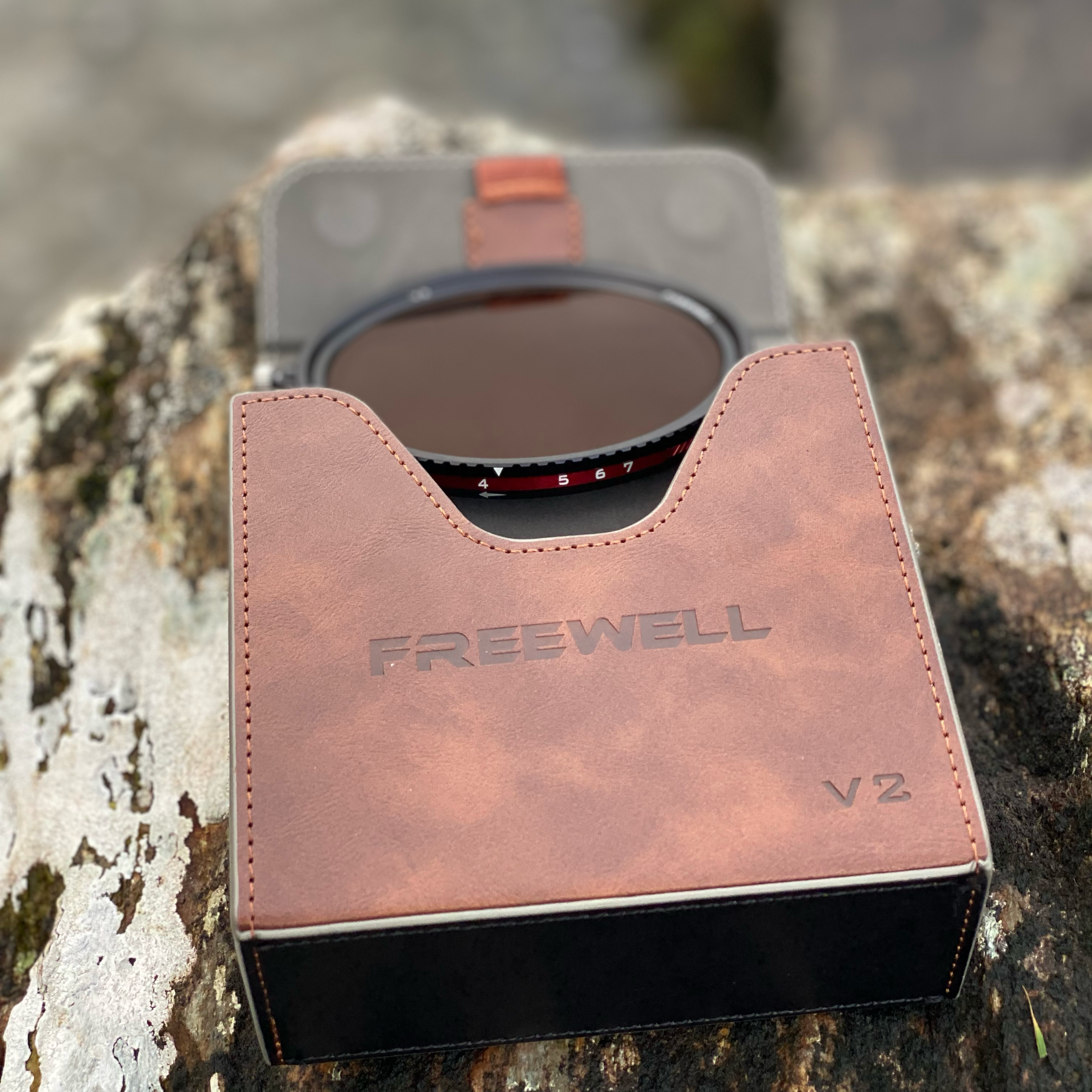
This is the background against which I began using the Freewell V2 Hybrid filter. It combines a polariser with a variable neutral density filter ranging from three to seven stops, all in one unit. The idea is simple: one filter that can cover a wide range of shutter speeds without swapping filters or holders. I was interested in whether this approach would work for the way I shoot.
I have been using the filter for several months, and during a recent trip to Kerry I decided to document a controlled test in the field. The goal was not to chase dramatic conditions but to keep the scene consistent and evaluate how exposure changes alone affect the final image.
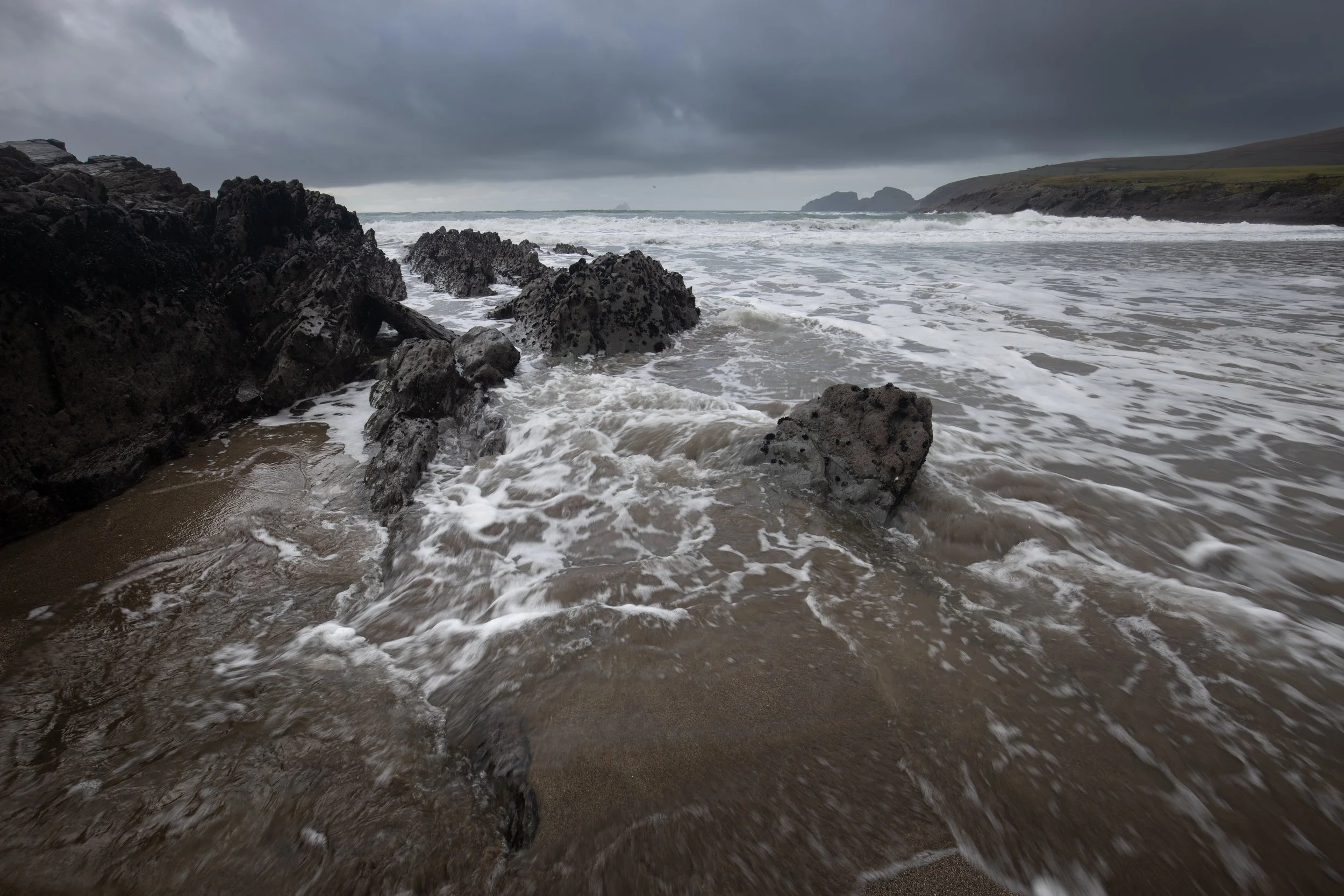
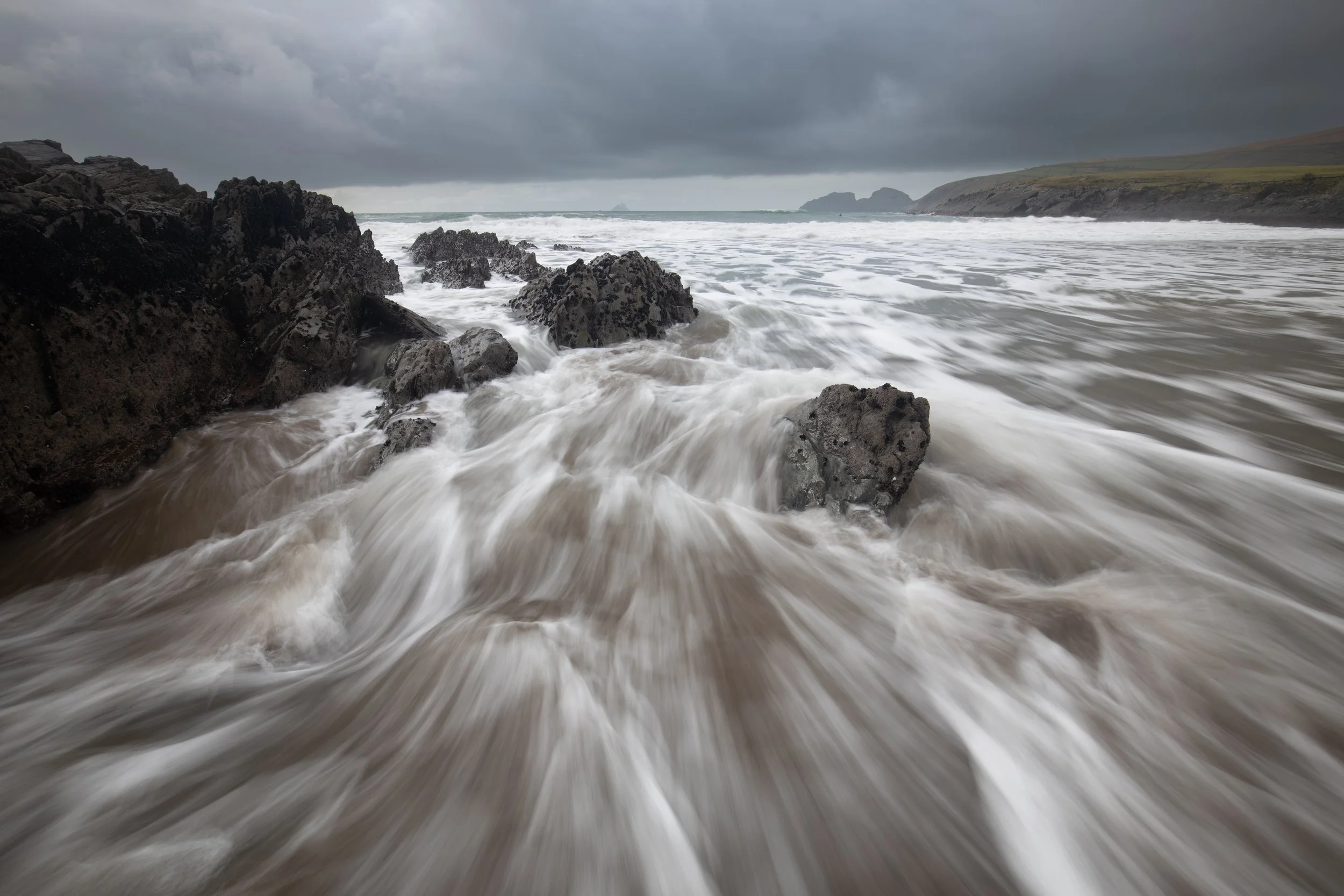
1/30 second, f11/ ISO 100, 16mm
I started with a base image taken without any filters. The available light allowed for a shutter speed of 1/30 second at f/11, ISO 100, using a 16mm focal length. This image established a reference point for sharpness, contrast, and wave detail.
Introducing the filter was straightforward. The system uses a magnetic attachment that connects to a filter ring on the lens. I leave filter rings on my lenses permanently, so this did not add friction to the process. One approach I have used for years is to buy filters larger than the lens diameter and step them down. This avoids vignetting entirely, even at the widest focal lengths, and I would recommend this method regardless of brand.
1/4 second, f11/ ISO 100, 16mm
At the lowest setting of three stops, with the polariser engaged, the shutter speed dropped to 1/4 second while keeping all other settings the same. At this exposure length, wave motion becomes visible but remains structured. The water shows movement without losing its form, making this a useful range for foreground interest.
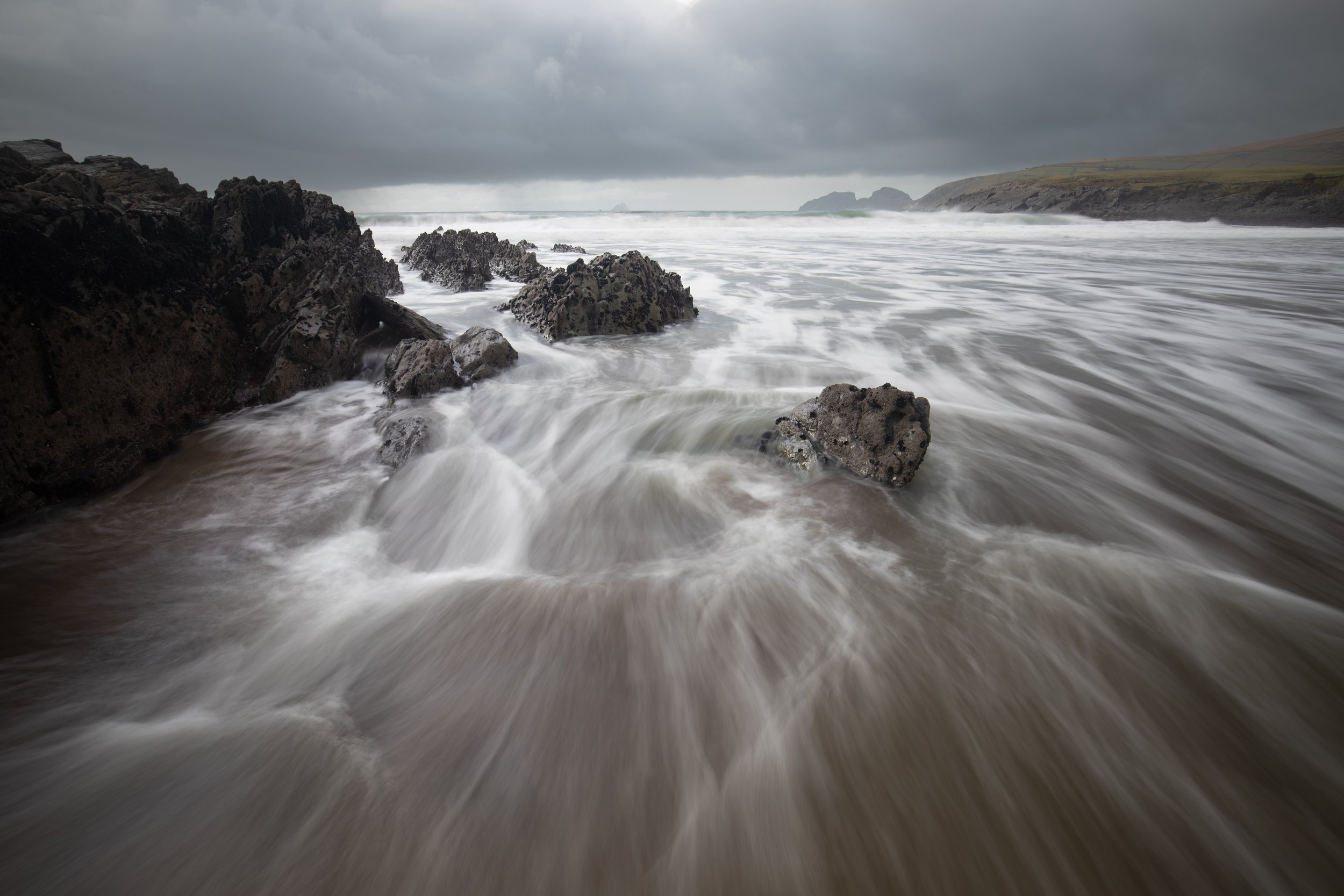
1/2 second, f11/ ISO 100, 16mm
Moving to four stops required only a small rotation of the filter. This extended the exposure to 1/2 second, which is a shutter speed I return to frequently when photographing waves. At this length, there is enough motion to show flow and direction, while texture in the water remains intact.
1 second, f11/ ISO 100, 16mm
At five stops, exposure time increased to one second. The light remained stable throughout the test, which allowed for direct comparison between frames. At one second, the water movement became more pronounced, and smaller details began to merge. This can work well when the aim is to simplify a busy foreground.
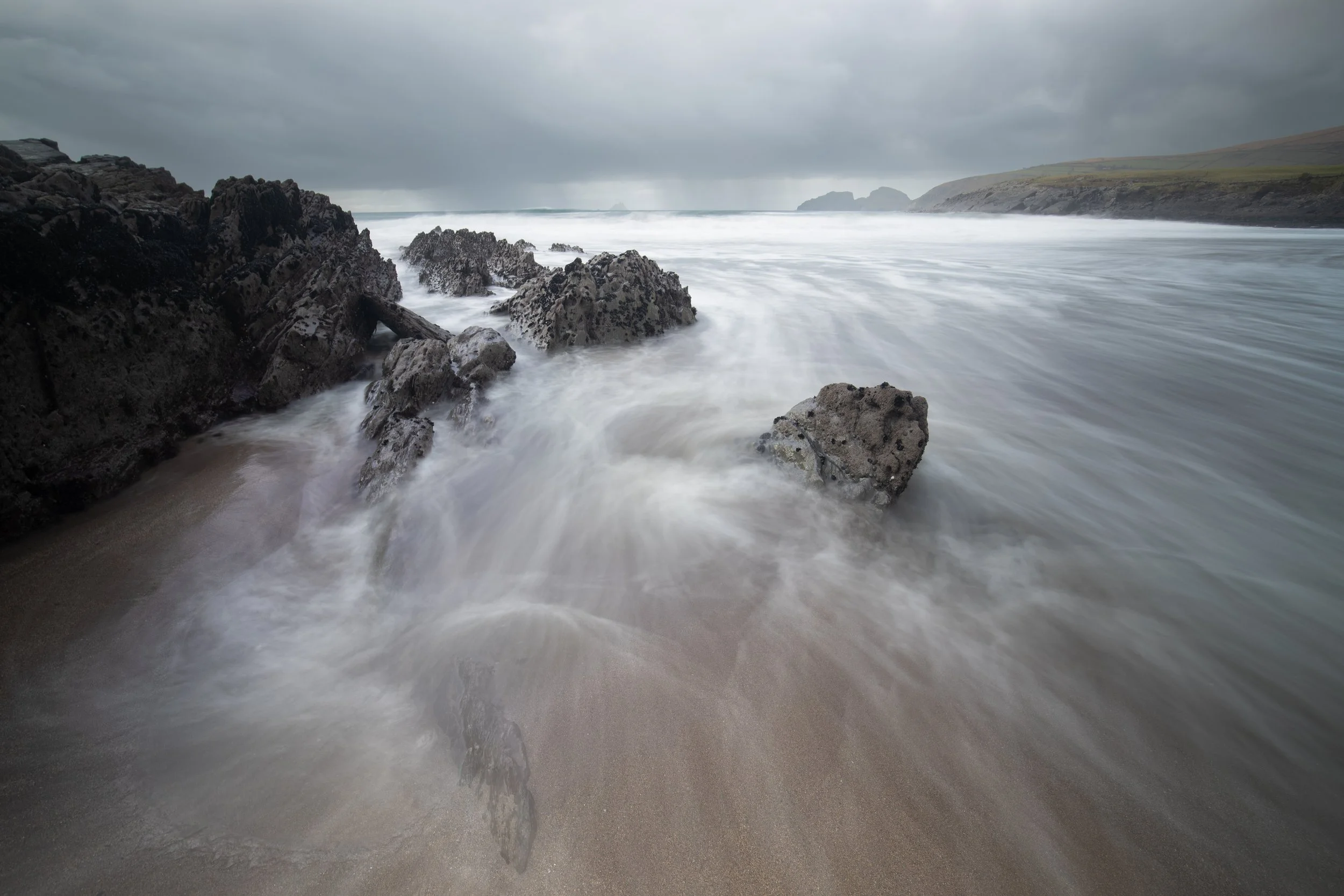
2 seconds, f11/ ISO 100, 16mm
At six stops, the shutter speed reached two seconds. For my own work, this is generally longer than I prefer for waves approaching the shore, as motion can become less defined. That said, the result was still usable, and in calmer conditions this range could be effective.
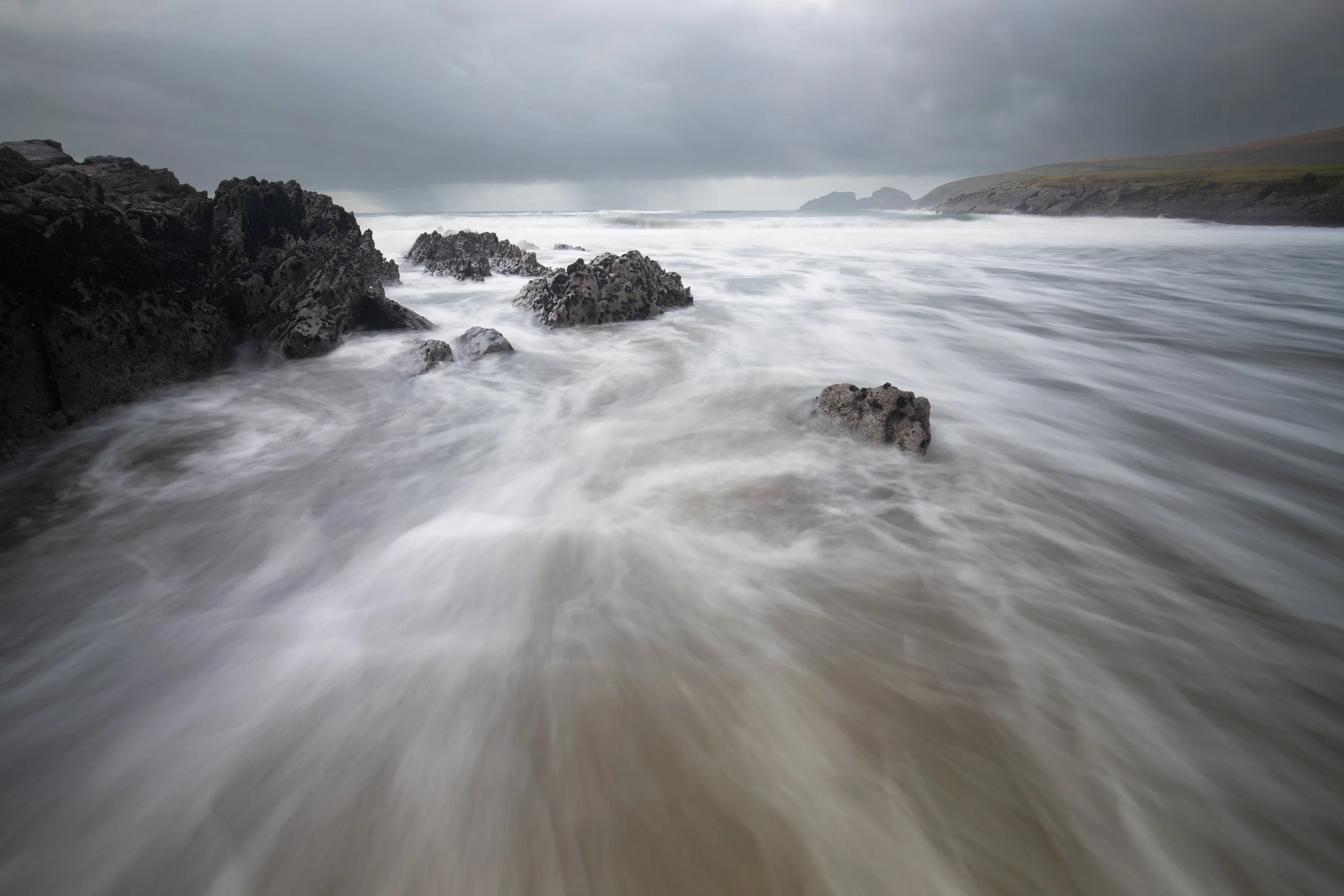
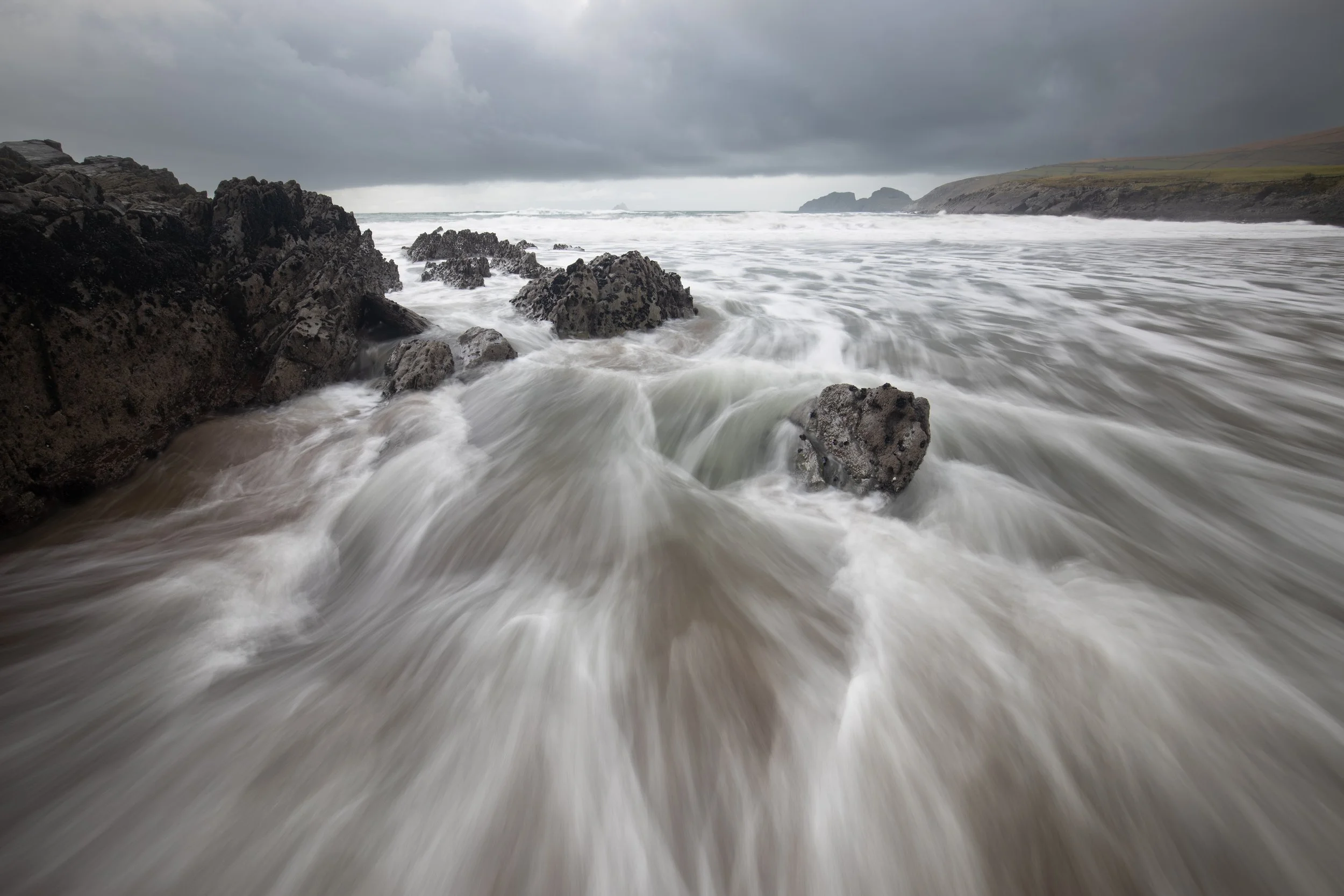
4 seconds, f11/ ISO 100, 16mm
Finally, the filter was set to its maximum of seven stops. With the additional light reduction from the polariser, the effective reduction was closer to eight stops, allowing for a four-second exposure. At this length, the water moved continuously across the frame, while static elements such as rocks became more visually dominant. The resulting image had a very different balance, even though the composition and framing remained unchanged.
From a learning perspective, this test reinforced how exposure time alone can reshape an image. Nothing else in the scene changed, yet each shutter speed produced a distinct result. For photographers learning seascapes, this kind of controlled testing is valuable. It builds an understanding of when motion enhances a scene and when it removes too much information.
There are, however, limitations to this filter design. The polariser cannot be removed and is always active. In practice, this means that some degree of polarisation will always be present in the image. During testing, I noticed that parts of the frame could be affected unevenly, particularly in skies. If the polarisation is not carefully aligned, areas of the image can appear darker than others.
This matters because polarisation is not something that can be replicated or easily corrected in post-processing. While colour and exposure can be adjusted later, polarisation choices must be made carefully at the time of capture.
For photographers considering a filter system, this is an important trade-off. The Freewell V2 Hybrid offers speed, simplicity, and reduced gear, but it requires awareness and control when using the polariser. The overall size of the filter itself is practical, though the storage case is larger than necessary and takes up more space in a bag than I would like.
After months of use, the system has proven capable of delivering consistent results across a useful range of shutter speeds. It does not replace every type of filter, but for photographers who prioritise efficiency and controlled motion in seascape work, it is a system worth evaluating. The field test in Kerry confirmed that one filter can, in many situations, do the work of several.